

Destination Details
Kardzhali city
For six millennia, this region has been the cradle of various civilizations and cultures. The earliest settlement in these lands dates back to the Early Neolithic period – the 6th millennium BC, and its remains are located in the center of the modern town. Excavations have uncovered one of the most emblematic monuments of this historical period in Bulgaria – a jade amulet crafted in the shape of a swastika. The floods of the Arda River destroyed the Neolithic settlement.
Over the millennia, the center of life in the Arda River valley has shifted along both of its banks. Here, the civilizations of Thracians, Hellenes and Romans, Slavs and Proto-Bulgarians, Byzantines and Latins have all met.
One of the first researchers of the Eastern Rhodopes, Ivan Velkov, wrote in 1933 that in the area enclosed by the Arda River and its right tributary, the Varbitsa River, there were traces of two Thracian settlements. Streets and buildings were clearly outlined in these settlements. According to him, these were among the first Thracian urban-type settlements on the territory of Bulgaria.
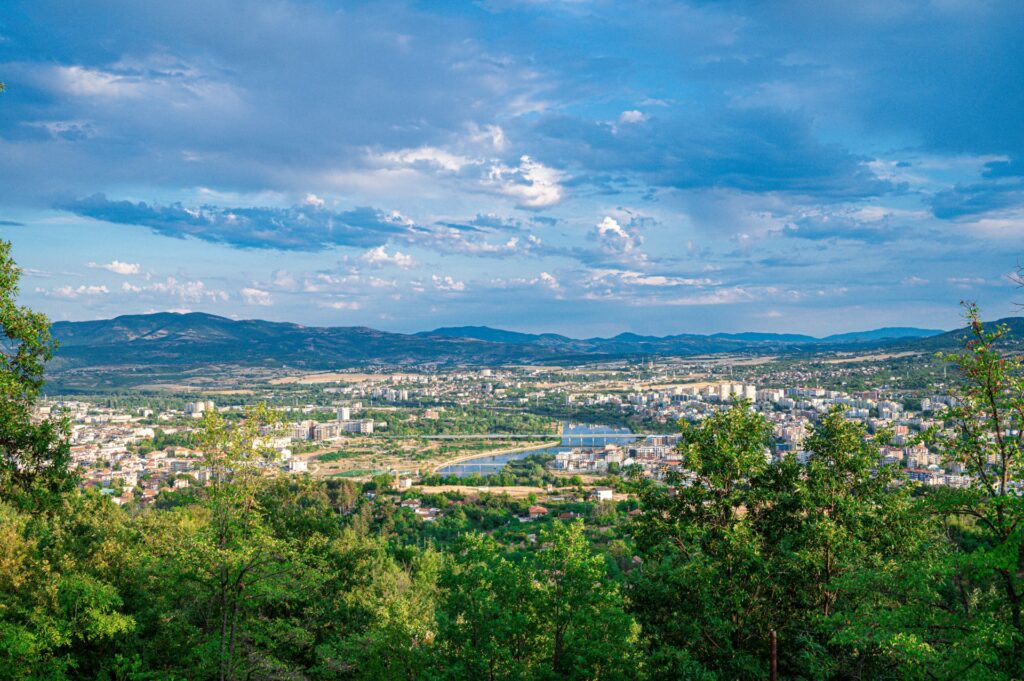
The town garden of Kardzhali takes pride in its Monument to the Liberators, erected atop a Thracian burial mound, and nearby an early Christian tomb has been discovered.
In the 6th century AD, Slavs settled along the middle course of the Arda River, followed later by the Proto-Bulgarians. They adopted elements of the local Thracian culture. This territory remained within the Byzantine Empire until the 9th century, when, during the reign of the Bulgarian Tsar Simeon the Great (893–927), it was incorporated into the Bulgarian Kingdom. During the Middle Ages, these lands were part of an important Christian center. The territory of the Eastern Rhodopes was referred to in medieval times by the names Ahridos and Mora.
Around the church “St. John the Forerunner,” built in the 9th century and located on the southern bank of the Arda River, a fortified monastic complex developed over the following centuries. Between the 11th and 14th centuries, this monastery is believed to have been the episcopal center of the Ahridos region. The regional administrative center during the 12th–14th centuries was the fortress of Mneakos (Monyak), mentioned in medieval chronicles as the largest city of Ahridos. Due to its strategic and economic importance, the lands of the Eastern Rhodopes were continuously subjected to enemy invasions.
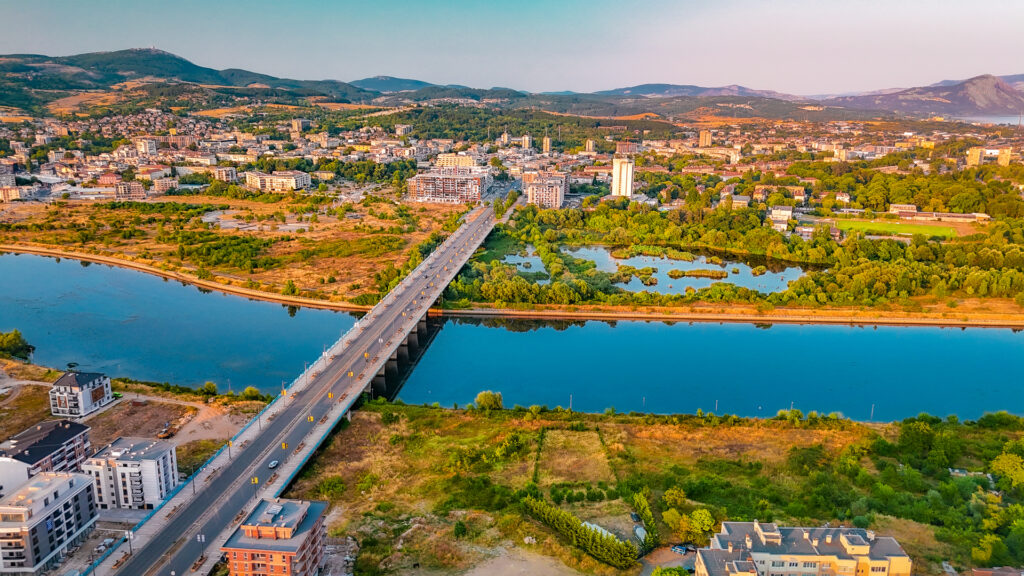
Legends, supported by archaeological evidence, tell that in the 14th century, the defender of the local population against the constantly warring Bulgarian and Byzantine feudal lords was the folk hero Momchil Yunak. His name is associated with the first resistance of the local people against the Ottoman invasion. In 1370–1371, the inhabitants of the Rhodopes fought heroic battles to stop the Ottoman raids. A large part of the population was killed, enslaved, or assimilated. Another part managed to find refuge in the inaccessible folds of the Rhodope Mountains, becoming the guardians of Bulgarian heritage.
The Russo-Turkish War of Liberation inspired new hopes for freedom among the people of the Rhodopes, but the unjust Berlin Treaty left vast Bulgarian territories, including the Kardzhali region, under Ottoman rule. The long-awaited freedom finally came after the Balkan War, on October 21, 1912.
Today, the town of Kardzhali is a regional center – the largest administrative, industrial, commercial, and cultural hub of the Eastern Rhodopes.


